Capturing Natural Beauty: A Photographic Journey
- larryasego
- Mar 24
- 4 min read
Photography is more than just a hobby; it’s a way to connect with the world around us. Each click of the shutter captures a moment in time, preserving the beauty of nature in all its forms. Whether you are an aspiring photographer or a seasoned pro, understanding how to capture natural beauty can elevate your work and deepen your appreciation for the environment. This blog post will guide you through essential techniques, tips, and insights to enhance your photographic journey.
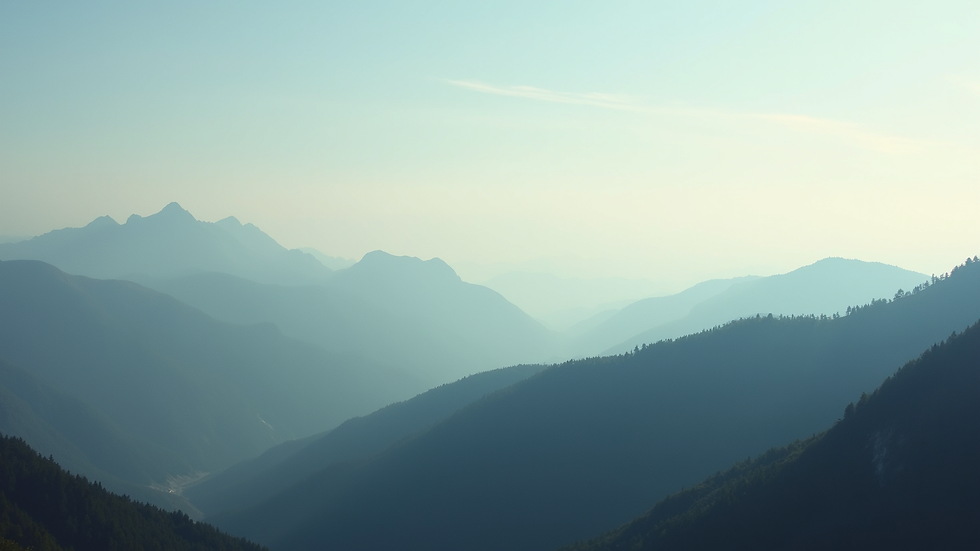
Understanding Natural Light
Natural light is one of the most crucial elements in photography. It can dramatically affect the mood and quality of your images. Here are some key points to consider:
The Golden Hour
The golden hour, which occurs shortly after sunrise and before sunset, provides soft, warm light that enhances colors and textures. Photographers often seek this time for outdoor shoots because:
Soft Shadows: The low angle of the sun creates gentle shadows, adding depth to your images.
Warm Tones: The light during this time has a golden hue, making landscapes appear more inviting.
Overcast Days
While many photographers prefer sunny days, overcast conditions can be beneficial. The clouds act as a natural diffuser, softening harsh sunlight and reducing contrast. This is particularly useful for:
Close-Up Shots: Flowers and other delicate subjects benefit from even lighting, allowing colors to pop without harsh shadows.
Water Reflections: The diffused light can create stunning reflections on water surfaces, enhancing the overall composition.
Composition Techniques
Once you understand light, the next step is mastering composition. Here are some techniques to help you frame your shots effectively:
Rule of Thirds
The rule of thirds is a fundamental principle in photography. Imagine dividing your frame into a 3x3 grid. Placing your subject along these lines or at their intersections can create a more balanced and engaging image. For example:
Landscape Photography: Position the horizon along the top or bottom third of the frame to emphasize either the sky or the land.
Wildlife Photography: Place animals off-center to create a sense of movement and direction.
Leading Lines
Utilizing leading lines can guide the viewer’s eye through the photograph. These lines can be natural, such as rivers or paths, or man-made, like fences or roads. They help create depth and perspective in your images.
Framing
Incorporating natural frames can add context and focus to your subject. Look for elements like trees, archways, or rocks that can encase your main subject, drawing attention to it while providing a sense of place.
Choosing the Right Equipment
While you can capture stunning images with any camera, having the right equipment can enhance your experience and results. Here are some essential items to consider:
Camera
Investing in a good quality camera is crucial. DSLRs and mirrorless cameras offer flexibility and superior image quality. However, don’t underestimate the power of a smartphone camera, especially with advancements in technology.
Lenses
Different lenses serve various purposes. A wide-angle lens is ideal for landscapes, while a macro lens is perfect for capturing intricate details of flowers and insects. Consider the following:
Wide-Angle Lens: Great for expansive landscapes and capturing more of the scene.
Telephoto Lens: Useful for wildlife photography, allowing you to shoot from a distance without disturbing the subject.
Tripod
A sturdy tripod is essential for long exposure shots, especially in low light conditions. It helps eliminate camera shake and allows for more creative compositions, such as:
Long Exposures: Capturing flowing water or moving clouds creates a dreamy effect.
Night Photography: A tripod is necessary for clear images in low light.
Techniques for Capturing Natural Beauty
Now that you have the tools and knowledge, let’s explore some techniques to capture the essence of nature.
Macro Photography
Macro photography allows you to explore the intricate details of nature. Here are some tips:
Get Close: Use a macro lens to capture fine details of flowers, insects, or textures in nature.
Focus on One Subject: Isolate your subject to create a striking image that highlights its beauty.
Long Exposure
Long exposure photography can transform ordinary scenes into extraordinary works of art. This technique is particularly effective for:
Waterfalls: Create a silky effect by using a slow shutter speed.
Star Trails: Capture the movement of stars by using a long exposure at night.
Landscape Photography
When photographing landscapes, consider the following:
Foreground Interest: Include elements in the foreground to add depth and context to your image.
Vary Your Angles: Experiment with different perspectives, such as shooting from a low angle or high vantage point.
Post-Processing Tips
Post-processing is an essential part of modern photography. It allows you to enhance your images and bring your vision to life. Here are some basic tips:
Editing Software
Familiarize yourself with editing software like Adobe Lightroom or Photoshop. These tools offer a range of features to adjust exposure, contrast, and color balance.
Basic Adjustments
Start with basic adjustments before diving into more complex edits:
Exposure: Adjust the brightness of your image to ensure it’s well-lit.
Contrast: Increase contrast to make colors pop and add depth.
Saturation: Enhance colors, but be cautious not to overdo it, as this can lead to unnatural results.
Cropping
Don’t hesitate to crop your images to improve composition. This can help eliminate distractions and focus on the main subject.
Finding Inspiration
Inspiration can come from various sources. Here are some ways to spark your creativity:
Nature Walks
Take regular walks in nature. Observe the changing seasons, light conditions, and landscapes. This practice can help you discover new perspectives and subjects to photograph.
Photography Communities
Join photography groups or online forums. Sharing your work and receiving feedback can motivate you and provide fresh ideas.
Study Other Photographers
Look at the work of renowned photographers. Analyze their techniques and styles to understand what makes their images compelling.
Conclusion
Capturing natural beauty is a rewarding journey that requires practice, patience, and a keen eye. By understanding light, mastering composition, and utilizing the right equipment, you can create stunning images that resonate with viewers. Remember to experiment with different techniques and find inspiration in the world around you. As you embark on your photographic journey, let your passion for nature guide you, and don’t forget to enjoy the process. Happy shooting!


Comments